Oven Replacement: When to Fix It vs. When to Replace
When your oven, a household appliance that uses electricity or gas to cook food. Also known as a range, it's one of the most used appliances in the home. stops working properly, you’re faced with a simple but costly choice: repair or replace. Most people assume an old oven is beyond saving—but that’s not always true. Many ovens, especially electric ones from brands like Bosch or Whirlpool, can last 15 years or more if the right part gets fixed. The real question isn’t how old it is—it’s what’s broken and how much it’ll cost to fix.
The oven control board, the electronic brain that manages temperature, timers, and safety features. is one of the most common failure points. If your oven won’t heat, shows error codes, or turns off randomly, the control board might be the culprit. Replacing it can cost between £150 and £300, but if your oven is under 8 years old, it’s usually worth it. On the other hand, if the heating element, thermostat, or igniter (in gas ovens) is failing, those are cheap fixes—often under £50. But if multiple parts are failing, or your oven is over 10 years old, replacement starts making more sense. Energy efficiency matters too: a new oven can cut your electricity bill by up to 30% compared to a 15-year-old model.
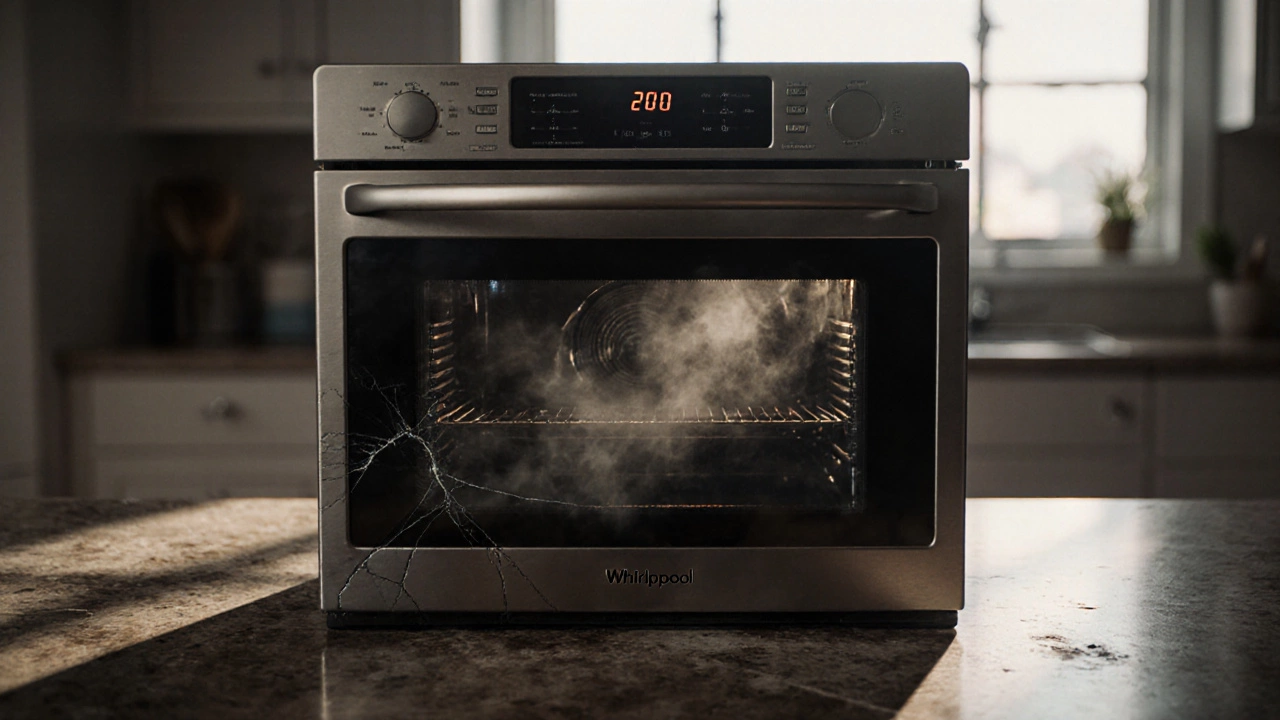
Gas ovens have their own issues. A bad gas oven igniter, the part that sparks to light the gas flame. won’t kill your oven—but it will make cooking a guessing game. If the flame takes longer than 30 seconds to light, or you smell gas before it ignites, that’s a safety red flag. Replacing the igniter is easy and cheap. But if the gas valve or burner assembly is corroded, you’re looking at a bigger repair. At that point, it’s smarter to replace the whole unit. And don’t forget: if your oven’s door seal is cracked, the glass is broken, or the hinges are loose, those aren’t just annoyances—they’re energy leaks that add up over time.
There’s no magic age when you must replace your oven. But if you’ve already spent more than half the cost of a new one on repairs, or if your oven is over 12 years old and needs a major part fixed, replacement is usually the better long-term move. A new oven comes with better safety features, precise temperature control, and modern warranties. And if you’re planning to sell your home, a working, modern oven can add subtle but real value.
Below, you’ll find real-world guides on diagnosing oven problems, whether replacing the control board makes sense, how long ovens actually last, and what brands hold up best over time. No fluff. Just clear answers to help you decide whether to fix it—or walk away.
Is repairing an 8-year-old oven worth it? Learn the real costs, safety risks, and when to replace instead. Save money and avoid hazards with smart decisions.