Water Heater Problem? Common Causes and How to Fix Them
When your water heater problem, a household system that heats and stores water for showers, dishes, and laundry. Also known as a hot water tank, it’s one of the most taken-for-granted appliances in your home—until it stops working. Suddenly, you’re standing under icy water, wondering what went wrong. Most water heater problem cases aren’t mysterious. They’re simple failures: a tripped reset button, a broken heating element, or sediment buildup. You don’t need a degree in plumbing to fix many of them—just the right steps.
One of the most common causes of no hot water is a water heater reset button, a safety feature that shuts off power if the unit overheats. It’s usually a red button near the thermostat. Pressing it can restore heat in seconds—if the underlying issue isn’t serious. But if it trips again, something’s wrong deeper down. That’s where water heater troubleshooting, the process of diagnosing why a water heater fails to produce hot water comes in. Check the power supply first. For electric units, make sure the circuit breaker hasn’t flipped. For gas models, verify the pilot light is still burning. No flame? That’s a gas valve or thermocouple issue. Cold water coming out? It could be a failed upper heating element, a broken dip tube, or a tank full of rust and scale.
Age matters too. Most water heaters last 8 to 12 years. If yours is older and suddenly struggling, repair might cost more than replacement. But before you call for a new unit, try flushing the tank. Sediment buildup is a silent killer—it traps heat, strains the system, and causes strange noises. A simple flush can extend its life by years. And don’t ignore the water heater repair, the process of fixing faulty components like thermostats, elements, or pressure valves signs: rusty water, puddles under the tank, or a constant hissing sound. These aren’t just annoyances—they’re warnings.
What you’ll find below are real fixes from actual repairs done in homes across Northampton. From resetting a stubborn safety switch to spotting a failing element without calling a technician, these guides cut through the noise. You’ll see what works, what doesn’t, and when to stop DIY and call a pro. No fluff. No theory. Just clear, step-by-step help for the most common water heater problems you’re facing right now.
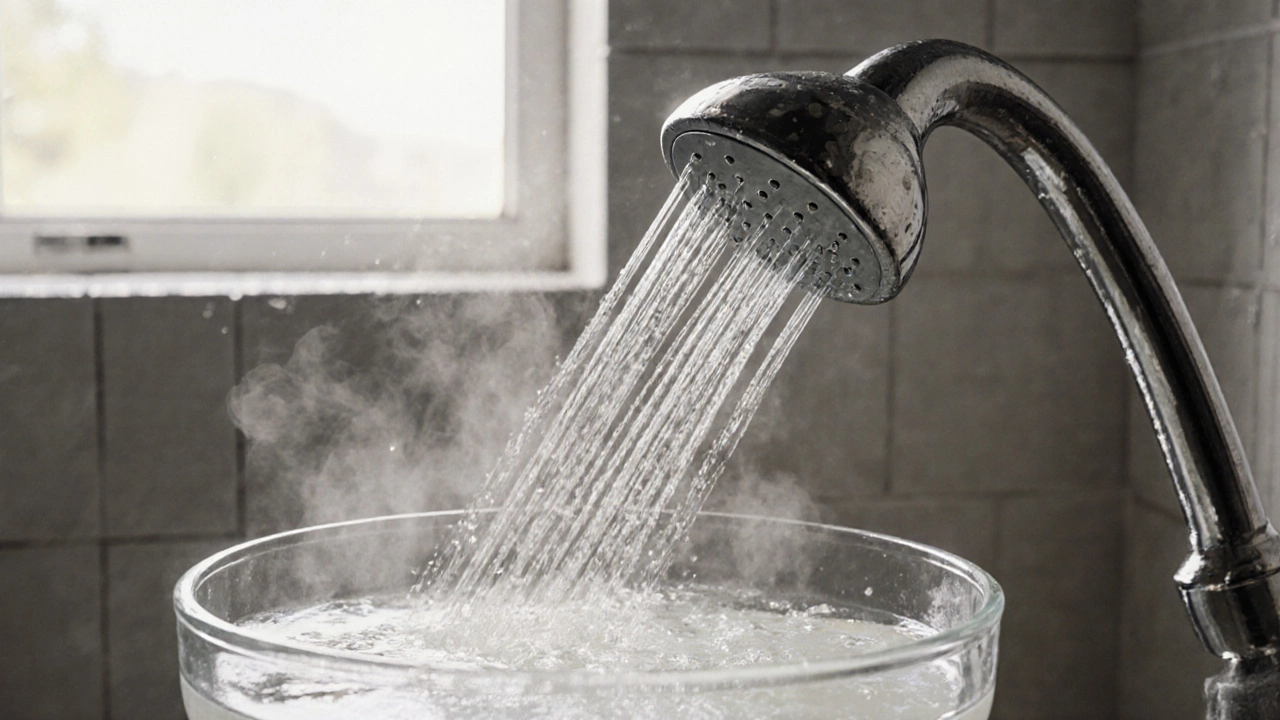
If your shower has no hot water but the sink does, your water heater is fine-something’s blocking the hot water just to the shower. Common fixes include cleaning the showerhead, replacing the mixing valve, or flushing the pipe.