
Laptop vs. Appliance Classifier
Device Characteristics
Click items to add them to your profile:
Analysis Result
Select Features
Choose at least one characteristic to see the classification.
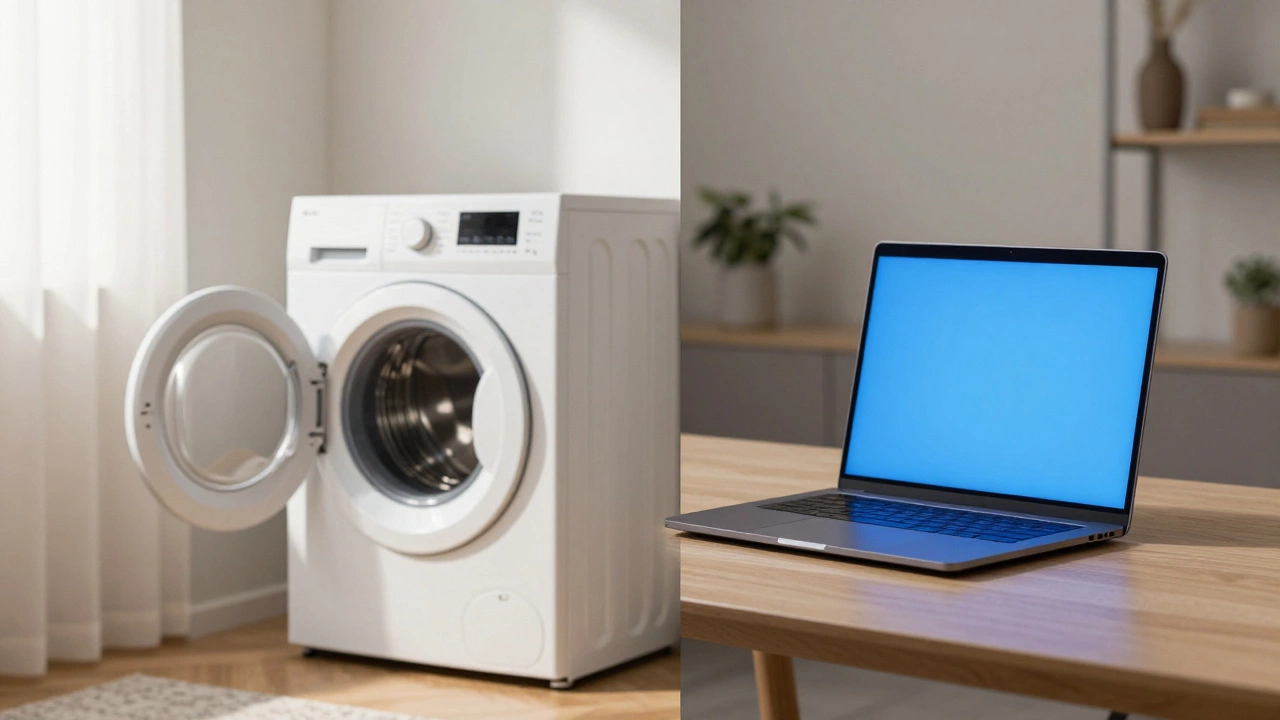
Picture this: your washing machine stops spinning, so you call a technician who arrives with a toolbox full of wrenches and belts. Now, imagine your Laptop is a portable personal computer that has become essential for work, education, and entertainment in modern households freezes up. Do you call the same guy? Probably not. But why? The question "Is a laptop an appliance?" pops up more often than you’d think, especially when people are trying to figure out warranty coverage, insurance claims, or where to find repair help. It’s a tricky boundary line that blurs as our homes become smarter.
The Official Definition of an Appliance
To answer whether a laptop fits the bill, we first need to pin down what an appliance actually is. In the world of home goods, an Appliance is a device designed for a specific household function, typically involving mechanical or electrical power to perform tasks like cleaning, cooking, or climate control usually refers to something that makes daily life easier by handling chores. Think refrigerators, ovens, washing machines, and dishwashers. These items share common traits: they are bulky, they plug into standard wall outlets (usually), they perform physical tasks, and they have relatively simple user interfaces-buttons, dials, and maybe a basic digital screen.
Regulatory bodies and insurance companies often classify appliances under "major household appliances" or "white goods." This classification matters because it dictates warranty laws, consumer protection rights, and even how repairs are taxed in some regions. For instance, in many places, repairing a broken fridge falls under different legal frameworks than fixing a cracked phone screen. So, does a laptop meet these criteria? Not really.
Why Laptops Are Consumer Electronics, Not Appliances
Laptops belong to a different category entirely: Consumer Electronics is the category of electronic devices intended for everyday use by consumers, including computers, audio equipment, and televisions. Here’s why the distinction exists:
- Purpose: Appliances serve a utilitarian function-they clean clothes, cook food, or cool air. Laptops are information processing tools. They calculate, create, communicate, and entertain. Your laptop doesn’t do laundry; it helps you write emails about the laundry detergent you bought.
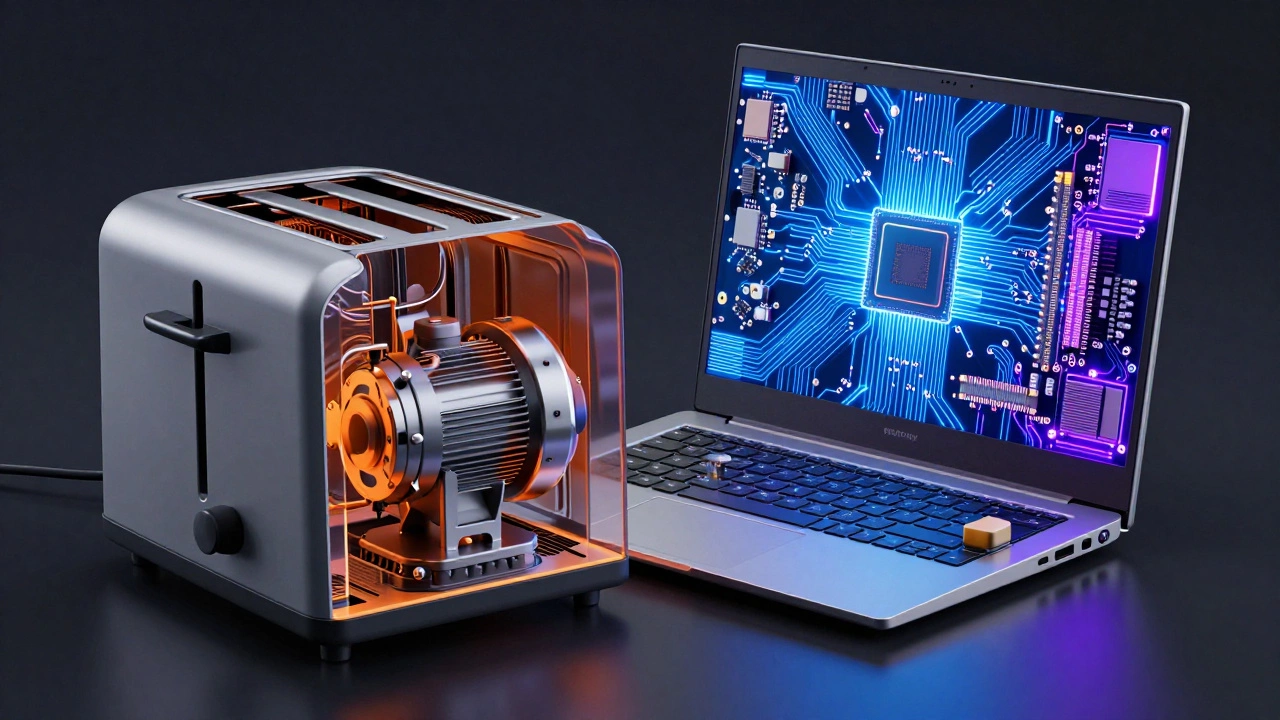
- Complexity: An oven has a thermostat and heating elements. A laptop contains a central processing unit (CPU), random-access memory (RAM), solid-state drives (SSDs), graphics processors, and complex operating systems like Windows or macOS. The software layer alone separates laptops from traditional appliances.
- Obsolescence Cycle: You might replace your refrigerator every 10-15 years. Most people upgrade their laptops every 3-5 years due to technological advancements. This rapid turnover is characteristic of consumer electronics, not durable appliances.
- Repairability: Appliance repair often involves swapping out mechanical parts-a belt, a pump, a heating coil. Laptop repair frequently requires micro-soldering, component-level diagnostics, or software troubleshooting. The skill sets don’t overlap much.
Even the term "appliance" comes from the Latin word *applicare*, meaning "to apply" or "to fit." Historically, it referred to things applied to a specific domestic task. While a laptop is certainly applied to many tasks, its primary role isn’t domestic maintenance-it’s digital interaction.
The Blurring Lines: Smart Homes and IoT Devices
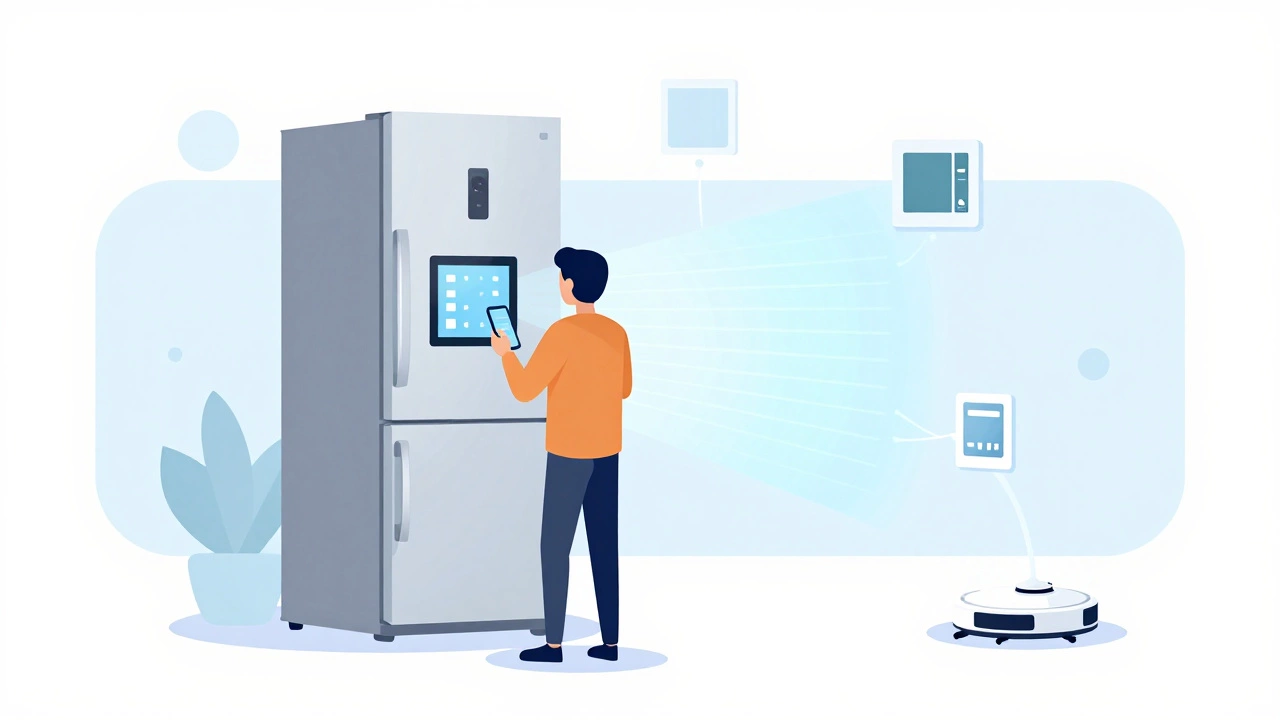
Here’s where it gets interesting. As technology evolves, the line between appliances and electronics is getting fuzzier. Consider smart thermostats, voice-controlled assistants like Amazon Alexa, or even smart refrigerators with built-in tablets. These devices run on operating systems, connect to Wi-Fi, and require software updates-just like laptops.
Some modern appliances now include features that were once exclusive to computers. For example, high-end washing machines can send notifications to your smartphone when a cycle finishes. Does that make them laptops? No. But it does show that the boundary is shifting. We’re entering an era where almost everything has a chip inside it.
However, despite these overlaps, the core identity remains distinct. A smart fridge is still primarily a fridge. Its main job is keeping food cold. The tablet interface is secondary. With a laptop, the computing capability is the entire point. There’s no hidden function behind the screen.
Why This Distinction Matters for Repairs and Warranties
You might be wondering, "So what if it’s not an appliance?" Well, it matters a lot when things break. If you live in Auckland, New Zealand, or anywhere else with strong consumer protection laws, knowing the classification affects your rights.
For example, in New Zealand, the Consumer Guarantees Act covers both goods and services, but the expectations differ. For major appliances, there’s often an implied guarantee of durability over several years. For consumer electronics like laptops, the expectation leans more toward functionality at the time of sale and reasonable lifespan based on usage. Insurance policies also treat them differently. Home contents insurance might cover theft or damage to a laptop, but wear-and-tear issues are rarely covered unless you have extended warranties specifically for electronics.
When seeking repairs, this distinction guides you to the right professional. Calling an appliance repair technician for a laptop issue would likely result in confusion. They specialize in motors, compressors, and gas lines-not motherboards and BIOS chips. Conversely, a laptop repair specialist wouldn’t know how to fix a leaking dishwasher seal. Using the correct terminology ensures you get qualified help faster.
| Feature | Laptop (Consumer Electronic) | Household Appliance |
|---|---|---|
| Primary Function | Data processing, communication, entertainment | Cleaning, cooking, climate control |
| Lifespan Expectation | 3-5 years | 8-15 years |
| Core Components | CPU, RAM, SSD, OS software | Motors, pumps, heating elements, sensors |
| Repair Complexity | Micro-electronics, software diagnostics | Mechanical replacement, electrical testing |
| Typical Warranty Length | 1 year (standard) | 1-2 years (parts and labor) |
What About Tablets and Smartphones?
If laptops aren’t appliances, what about tablets and smartphones? They fall into the same bucket: consumer electronics. These devices are even less "appliancelike" because they lack any physical utility beyond data interaction. You can’t cook dinner with an iPad, nor can you wash clothes with a smartphone. Their value lies purely in connectivity and computation.
That said, some hybrid devices blur the lines further. Take a Microsoft Surface Pro, which functions as both a tablet and a laptop. Or consider industrial-grade ruggedized tablets used in warehouses for inventory management. Even then, they remain categorized as electronics because their purpose is information handling, not domestic labor.
How to Care for Your Laptop Like an Appliance Owner
While laptops aren’t appliances, adopting some appliance-owner habits can extend their life. Many people treat laptops like disposable gadgets, but with proper care, they can last longer than expected.
- Clean Regularly: Just as you’d wipe down kitchen counters, keep your keyboard and vents free of dust. Use compressed air to blow out debris from ports and fans. Dust buildup causes overheating, which degrades components over time.
- Avoid Physical Stress: Don’t carry your laptop around roughly. Unlike a toaster, it doesn’t have heavy-duty casing meant for bumps and drops. Invest in a good sleeve or case.
- Manage Battery Health: Batteries degrade faster if kept at 100% charge constantly or drained to 0%. Try to keep battery levels between 20% and 80% for daily use. This mimics how you’d maintain a car battery-consistent care prevents sudden failure.
- Update Software: Regular updates patch security holes and optimize performance. Think of it like servicing a car engine-small maintenance prevents big breakdowns.
Treating your laptop with the same respect you give to expensive appliances pays off. Neglect leads to premature failure, whether it’s a clogged filter in a dryer or a swollen battery in a notebook.
When to Seek Professional Help
If your laptop starts acting up-screen flickering, slow performance, unexpected shutdowns-don’t panic. First, try basic troubleshooting: restart, check connections, update drivers. If those steps fail, consult a certified Laptop Repair Technician is a specialized professional trained to diagnose and fix hardware and software issues in portable computers.
Avoid taking it to general appliance repair shops unless they explicitly advertise electronics expertise. Misdiagnosis can worsen problems. Look for technicians who offer board-level repairs, not just part swaps. Reputable shops will explain the issue clearly, provide cost estimates upfront, and honor warranties on their work.
In Auckland, several local businesses specialize in laptop repair alongside broader tech support. Choosing a dedicated provider ensures you get someone familiar with the latest models and common failure points, such as hinge breaks or logic board failures.
Final Thoughts on Classification
So, is a laptop an appliance? Technically, no. It’s a consumer electronic device with a fundamentally different purpose, structure, and lifecycle. But understanding this difference helps you navigate warranties, repairs, and expectations more effectively. Whether you’re filing an insurance claim or choosing a repair shop, knowing where your laptop sits in the product hierarchy saves time and money.
As technology continues to merge categories, expect more hybrids. But until a laptop starts folding your laundry, it’ll remain firmly in the electronics camp. Treat it accordingly, and it’ll serve you well for years.
Can I use my home appliance warranty to cover laptop repairs?
No, standard home appliance warranties do not cover laptops. Laptops are classified as consumer electronics, not household appliances. You’ll need a separate electronics warranty or extended service plan specifically for computers.
Why are laptops considered consumer electronics instead of appliances?
Laptops process data, run complex software, and have short lifespans compared to appliances. Appliances perform physical tasks like cleaning or cooking, while laptops handle information. The technical complexity and obsolescence rate place laptops firmly in the electronics category.
Should I take my broken laptop to an appliance repair shop?
Only if the shop explicitly offers electronics or computer repair services. Most appliance technicians specialize in mechanical and electrical systems found in fridges, washers, and ovens-not circuit boards and operating systems. Using a dedicated laptop repair expert yields better results.
Do insurance policies treat laptops differently than appliances?
Yes. Home contents insurance may cover theft or accidental damage to laptops, but wear-and-tear issues are typically excluded. Appliances often have longer implied durability guarantees under consumer law. Check your policy details for specific exclusions related to electronics.
How long should I expect my laptop to last?
Most laptops remain fully functional for 3 to 5 years with regular maintenance. Some higher-end models can last up to 7 years. Factors like battery health, storage type (SSD vs HDD), and usage intensity affect longevity. Proper care extends usable life significantly.
Are smart home devices considered appliances or electronics?
Smart home devices straddle both categories. A smart thermostat is technically an appliance because it controls climate, but it uses electronic components similar to laptops. Generally, if the primary function is domestic utility, it’s an appliance. If the primary function is data interaction, it’s an electronic.
What is the biggest mistake people make when repairing laptops?
The biggest mistake is attempting DIY repairs without proper knowledge. Laptops contain delicate components easily damaged by static electricity or improper handling. Always seek certified professionals for internal repairs, especially involving motherboards or batteries.