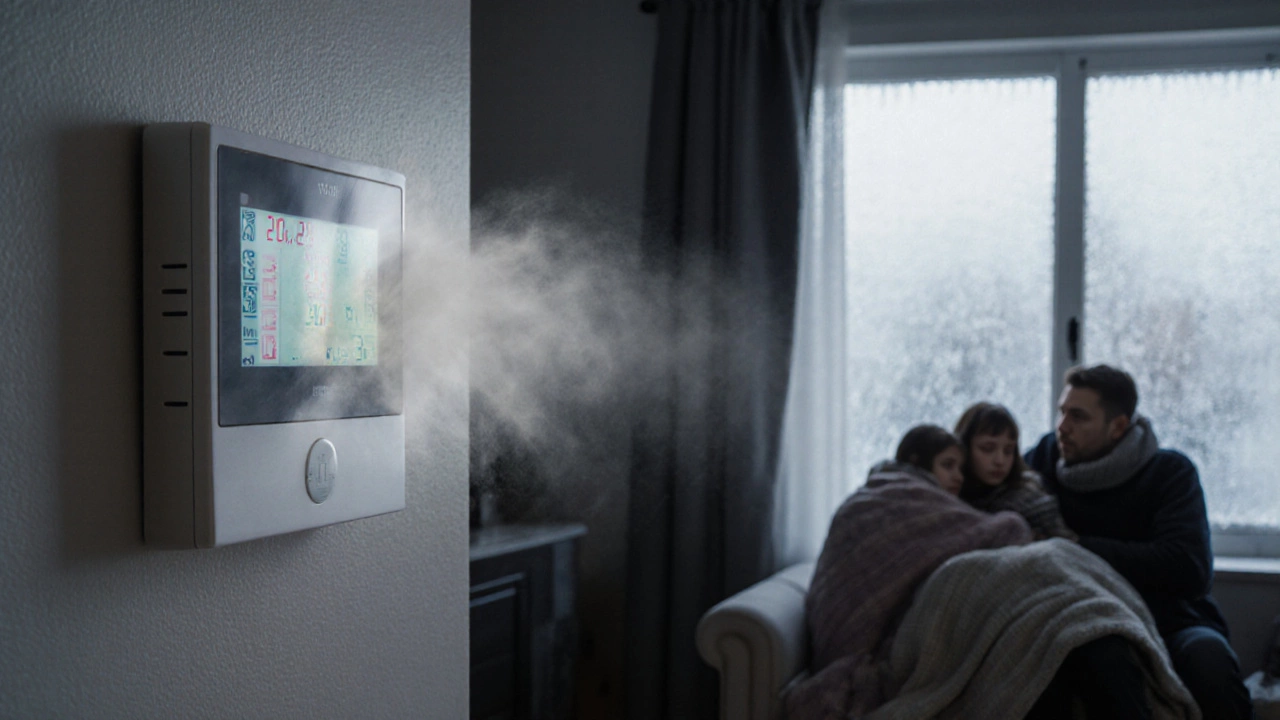
Heat Pump Signs: Common Warning Signals and What They Mean
When your heat pump, a device that moves heat from one place to another to warm or cool your home. Also known as air source heat pump, it works year-round by pulling warmth from outside air—even when it’s cold—and pushing it inside. Unlike furnaces, it doesn’t burn fuel. That’s why when something goes wrong, the signs aren’t always obvious. If your heat pump is acting up, it’s not just a glitch—it’s trying to tell you something.
One of the clearest heat pump signs is when it runs constantly but never gets your home warm enough. That’s not normal. It could mean the refrigerant is low, the outdoor coil is frozen, or the reversing valve is stuck. You might also hear strange noises—grinding, clanking, or a loud humming—coming from the unit outside. These aren’t just annoying; they often point to a failing compressor or motor. And if you see ice building up on the outdoor unit during winter, that’s a red flag. A healthy heat pump should defrost automatically. If it doesn’t, the defrost control board might be broken.
Another sign? High energy bills without a change in usage. Heat pumps are supposed to be efficient. If your bills are climbing and your home feels drafty, the system might be struggling to pull in enough heat from the air. This often happens when filters are clogged, ducts are leaking, or the system is undersized for your house. You might also notice that your heat pump switches to emergency heat too often. That backup electric strip heater kicks in when the main system can’t keep up—and it costs way more to run.
Don’t ignore cold air blowing from your vents when the thermostat says "heat." That’s a major clue. It could be a faulty thermostat, a broken blower motor, or even a wiring issue. Some people think it’s just a setting problem, but if resetting the thermostat doesn’t fix it, you’re dealing with hardware failure. And if your heat pump turns on and off every few minutes—called short cycling—that’s a sign of serious trouble. It could be caused by a dirty air filter, an oversized unit, or a failing sensor.
These aren’t just random issues. They’re common patterns seen in hundreds of real-world repairs across Northampton homes. Whether it’s a 5-year-old unit struggling with winter temps or a 12-year-old system showing its age, the signs are the same: unusual sounds, poor performance, rising bills, or sudden changes in output. The sooner you catch them, the less you’ll spend on repairs—or worse, a full replacement.
Below, you’ll find real repair stories from homeowners who noticed these signs early—and what actually fixed their systems. Some saved hundreds by acting fast. Others waited too long and paid the price. You don’t need to be a technician to spot the warning signs. Just know what to look for.
Learn the 7 clear signs your heat pump is malfunctioning-from strange noises to ice buildup and high bills. Know when to call a pro and how to prevent costly repairs.