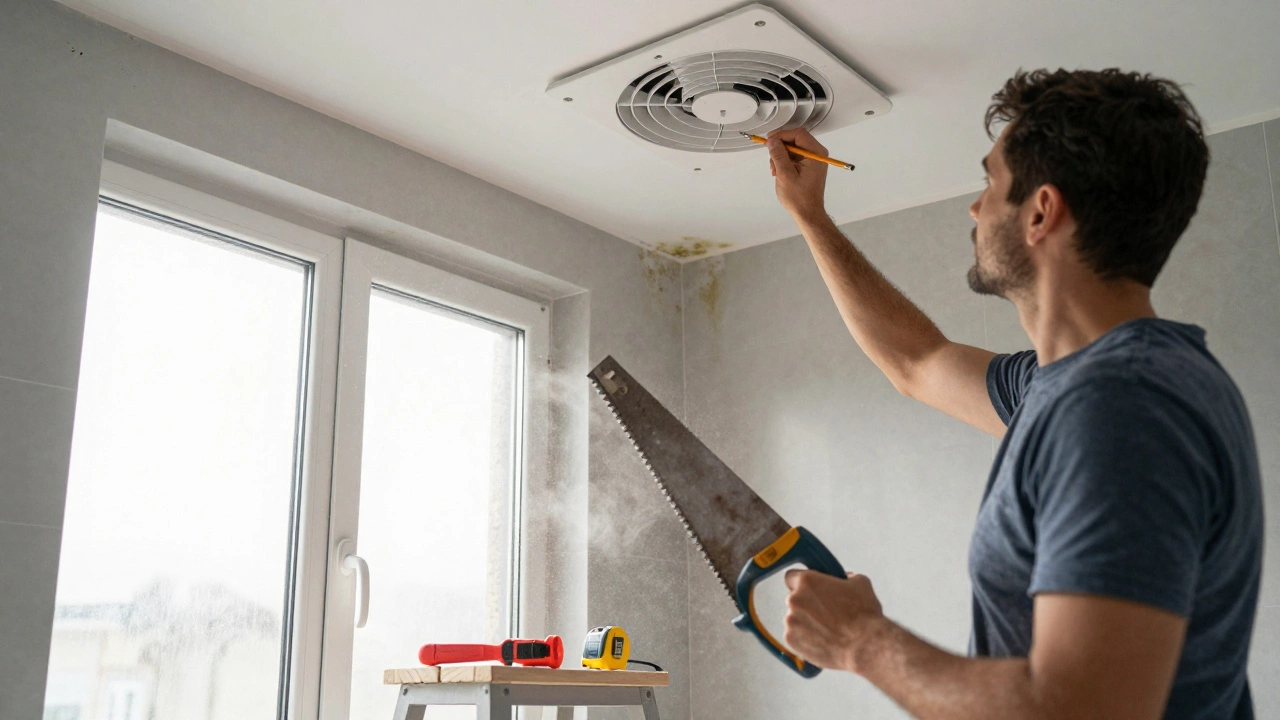
Install Extractor Fan: What You Need to Know Before Starting
When you install extractor fan, a device designed to remove moist, smoky, or stale air from kitchens and bathrooms. Also known as extraction fan, it’s not just about comfort—it’s about preventing mold, protecting your walls, and keeping your home safe. Many people think it’s as simple as drilling a hole and plugging it in, but that’s where things go wrong. A poorly installed extractor fan can lead to condensation, peeling paint, and even structural damage over time.
There’s a big difference between a ventilation fan, a general term for any fan that moves air and a true extractor fan, a fan that pulls air directly out of a room and vents it outside. If you’re putting one in your kitchen or bathroom, you need the latter. A ventilation fan that just recirculates air won’t cut it—you need real extraction. And that means proper ducting, correct sizing, and a direct path to the outside. No shortcuts. No looping ducts through the loft. No venting into the attic. That’s how you get mold.
Most extractor fans fail not because they break, but because they were never installed right. A 100-watt fan in a small bathroom might seem enough, but if it’s not pulling air fast enough or the duct is too long and full of bends, it’s useless. The best fan on the market won’t help if the installation ignores airflow physics. You also need to think about noise. A loud fan gets turned off. A quiet one runs constantly and does its job. Look for fans rated under 30 decibels for bedrooms and bathrooms, and make sure the motor is mounted to reduce vibration.
And don’t forget the switch. A pull cord might seem fine, but a timer switch or humidity sensor makes a real difference. It lets the fan run for 10-15 minutes after you leave the room, clearing out lingering moisture without you having to remember. Many older homes still use basic switches—upgrading is cheap and easy. If you’re replacing an old unit, check the wiring. Older homes often have outdated circuits that can’t handle modern fans safely. You might need an electrician, even if you’re handy.
Some people try to install extractor fans themselves and end up calling a pro to fix the mess. Others skip the fan entirely and just open a window. But in colder months, that just lets heat escape and brings in damp air. A properly installed extractor fan is the smart, quiet, and permanent fix. Whether you’re building new, renovating, or just replacing a broken one, getting this right matters more than you think.
Below, you’ll find real-world guides on what goes wrong during installation, how long repairs take, when to replace instead of fix, and the key differences between types of fans. No fluff. Just what actually works.
You can install an extractor fan yourself if you know the steps, tools, and safety rules. This guide covers how to do it right in New Zealand homes-avoiding mold, electrical hazards, and code violations.