Oven Door Seal: What It Is, Why It Matters, and When to Replace It
When your oven doesn’t heat right or the door feels loose, the problem might not be the heating element or thermostat—it could be the oven door seal, a heat-resistant rubber or fibrous strip that keeps hot air inside the oven cavity. Also known as an oven door gasket, it’s one of the simplest parts with the biggest impact on performance. If it’s cracked, brittle, or pulling away from the door frame, your oven is leaking heat. That means longer preheat times, uneven cooking, and higher electricity bills—sometimes by 15% or more.
That seal isn’t just a barrier—it’s part of the oven’s safety system. Without it, hot air escapes and can warp nearby cabinetry or make your kitchen uncomfortably warm. It also lets moisture out, which affects baking results. Ever wonder why your bread doesn’t rise right or cookies burn on the bottom? A bad seal can be the quiet culprit. You won’t see smoke or sparks, but you’ll feel the difference in how long it takes to roast a chicken or bake a cake.
The seal wears out over time, usually after 8–12 years, depending on how often you use the oven and whether you clean it properly. Harsh cleaners, steam cleaning, or just letting grease build up around the edge can speed up its breakdown. You don’t need to replace the whole oven just because the seal is gone. Most manufacturers sell replacement gaskets for under £30, and many DIYers can swap it out in under an hour with basic tools. But if you’re unsure, a local technician can check it during a routine oven repair—especially if you’re already dealing with other issues like uneven heating or error codes.
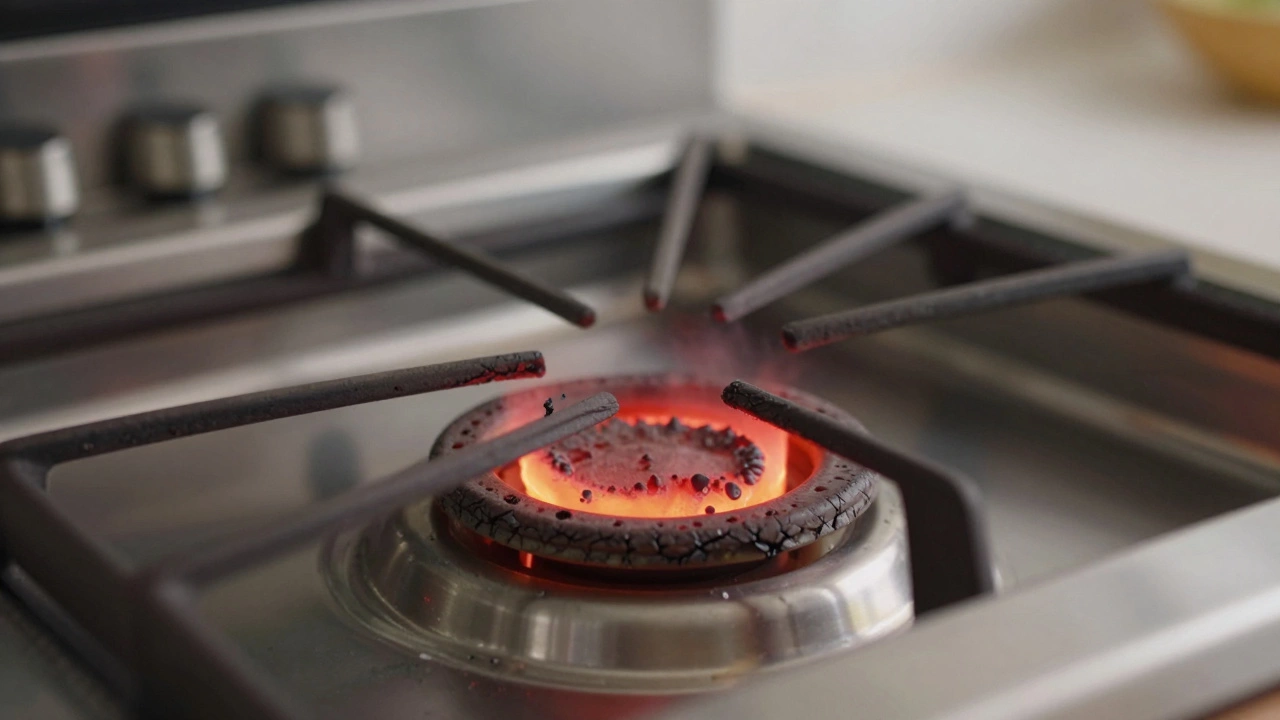
Some people think a small gap is no big deal. But even a 2mm gap can let out enough heat to throw off your cooking. If you’ve noticed your oven takes longer to preheat, the door feels hot to the touch, or you see the heating element glowing brighter than usual, it’s worth checking the seal. Run a simple test: close the door on a dollar bill. If you can pull it out easily, the seal isn’t gripping. Do that all the way around the door. If it slips in more than once, it’s time for a new one.
Replacing the seal isn’t just about saving money—it’s about reliability. A well-sealed oven gives you consistent results, whether you’re roasting, baking, or broiling. And if you’ve been putting off repairs because you think you need a whole new appliance, remember: a £25 seal can extend your oven’s life by years. That’s the kind of fix that makes sense for homes in Northampton, where appliance repair is often smarter than replacement.
Below, you’ll find real-world guides on diagnosing oven problems, when to repair vs. replace, and how to spot signs your oven’s internal components are failing. Many of these issues start with something as small as a worn seal—and fixing it early can save you from bigger, costlier repairs down the line.
The most common oven problems include failed heating elements, faulty thermostats, worn door seals, and broken igniters. Learn how to spot them early and fix them before your oven stops working entirely.